
Policy on Dichloromethane
Products and materials containing methylene chloride (DCM) will be prohibited on the GSD campus, effective June 1, 2025.
This policy change is in response to guidance provided by our colleagues in Harvard’s Environmental Health and Safety (EHS) department and regulations created by the United States Environmental Protection Agency (EPA).
While this chemical has been banned from many products available to consumers in the United States, at the GSD we encounter it in plastic-welding products such as:
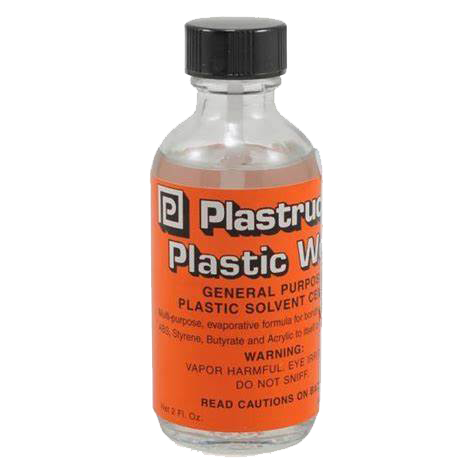
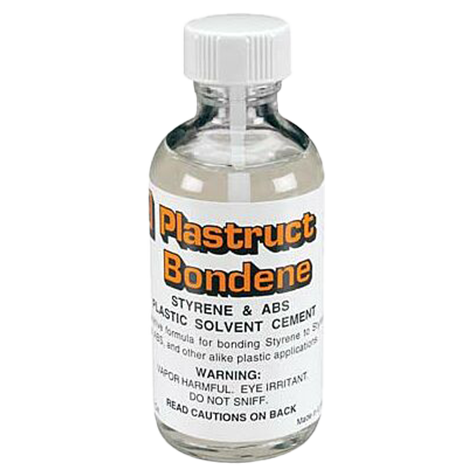
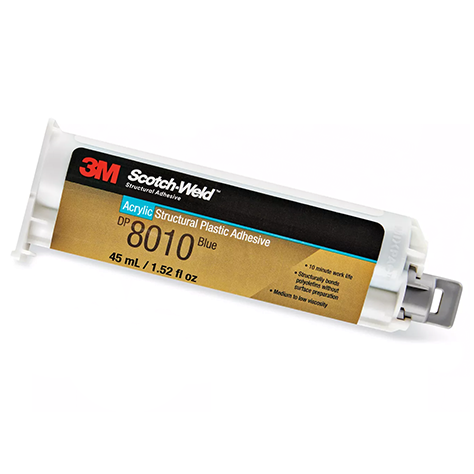
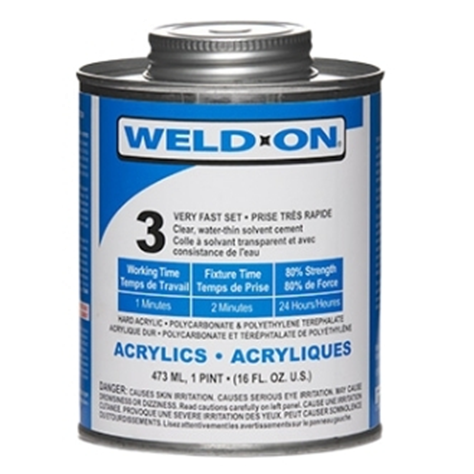
When evaluating alternative products, as with any material you intend to purchase or use, consult the Safety Data Sheet (SDS) to determine its Signal Word (SDS Section 2.2) and associated Hazard Categories (SDS Section 2.1). Then follow the GSD Hazardous Materials Flow Chart to determine the conditions for use at the GSD.
This policy change now requires that you also review a product’s chemical components, listed in Section 3 of an SDS. Therein, methylene chloride can be referred to as “dichloromethane”, “DCM”, or under a variety of trade names and identifiable by its Chemical Abstract Number (CAS-No.): 75-09-2. Any products containing this chemical are not allowed at the GSD.
More detailed information regarding hazardous materials used at the GSD is provided in our Hazardous Materials training, a part of the Fabrication Lab Orientation, Waiver and Release Agreement available on the Harvard Training Portal. This training and the Refresher will be updated over the summer to address this and other changes to processes related to fabrication at the GSD.